

Part 1: What Is Psychotherapy?
Psychotherapy, commonly known as talk therapy, is a professional and structured process designed to help individuals explore emotional difficulties, psychological distress, behavioral patterns and personal challenges. Conducted by trained mental health professionals such as psychologists, psychotherapists, counsellors or psychiatrists, psychotherapy is grounded in established theories, ethical guidelines and evidence‑based practices.
At its foundation, psychotherapy offers a confidential, non‑judgmental environment where individuals can openly discuss thoughts, emotions, memories and experiences that may feel overwhelming or confusing. Unlike conversations with friends or family, therapy is intentional and goal‑oriented. The therapist listens with clinical insight, helping clients identify patterns, develop understanding and build healthier coping mechanisms.
People seek psychotherapy for a wide range of reasons. Some come to therapy during periods of acute distress, such as depression, anxiety, grief, trauma or burnout. Others engage in therapy to improve relationships, strengthen emotional regulation, enhance self‑esteem or gain clarity about life direction. Importantly, psychotherapy is not reserved only for crisis situations. Many individuals use therapy proactively as a tool for self‑development, resilience and long‑term mental wellness.
Psychotherapy acknowledges that emotional pain is a human experience, not a personal failure. By fostering insight, emotional safety and practical skills, therapy helps individuals better understand themselves and respond more effectively to life’s challenges.
Part 2: The History of Psychotherapy and How it Shaped Modern Mental Health Care
The evolution of psychotherapy reflects humanity’s ongoing attempt to understand the mind and relieve psychological suffering. Long before modern psychology existed, ancient cultures used storytelling, spiritual rituals, philosophy and community support as methods of emotional healing. Greek philosophers such as Socrates and Aristotle emphasised self‑reflection and dialogue as tools for understanding the human experience.
As psychology advanced, new schools of thought emerged. Behaviourism shifted focus toward observable behaviour and learning through conditioning. Later, cognitive therapy emphasised the role of thoughts and beliefs in shaping emotions and actions. Humanistic psychology introduced a more compassionate, client‑centered approach, focusing on personal growth, autonomy and meaning.
Today’s psychotherapy integrates decades of research, neuroscience, cultural awareness and clinical practice. Modern therapists often draw from multiple traditions, allowing for flexible, personalised treatment approaches that reflect both scientific evidence and human complexity.
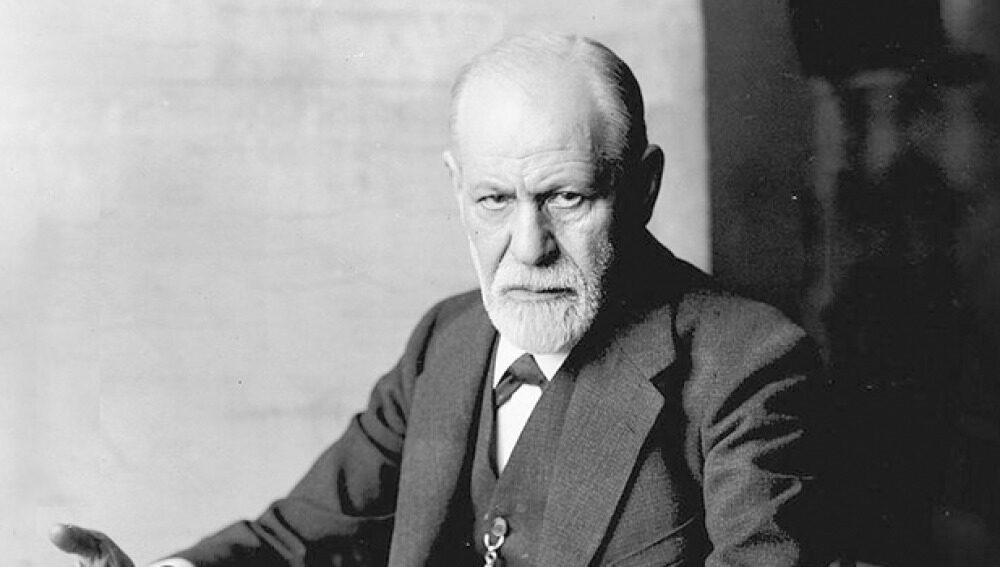
Sigmund Freud
Modern psychotherapy began to take form in the late 19th century with Sigmund Freud’s development of psychoanalysis. Freud proposed that unconscious thoughts, early childhood experiences and internal conflicts significantly influence behaviour. Although many of Freud’s ideas are debated today, his work laid the groundwork for the therapeutic relationship and the importance of exploring inner experiences.
Part 3: Understanding the Major Types of Psychotherapy
Psychotherapy is not a single method but a collection of diverse approaches designed to address different psychological needs. One of the most widely practiced models is Cognitive Behavioural Therapy (CBT), which helps individuals identify and challenge unhelpful thought patterns and behaviours. CBT is structured, goal‑focused and supported by extensive research.
Psychodynamic therapy focuses on unconscious processes, early life experiences and recurring emotional or relational patterns. This approach helps individuals gain insight into how past experiences influence present behaviour. Humanistic therapies, such as person‑centered therapy, emphasise empathy, unconditional positive regard and the client’s innate capacity for growth.
Dialectical Behaviour Therapy (DBT) blends cognitive strategies with mindfulness and emotional regulation skills. It is especially effective for individuals experiencing intense emotions or difficulties with impulse control. Family and couples therapy view problems through a relational lens, addressing communication patterns, roles and systemic dynamics.
Many therapists today use an integrative or eclectic approach, combining techniques from multiple models to best meet each client’s unique needs, preferences and goals.
Part 4: What Really Happens in a Psychotherapy Session?
A psychotherapy session typically lasts between 45 and 60 minutes and occurs on a regular schedule agreed upon by the client and the therapist. Early sessions often focus on assessment, during which the therapist gathers information about the client’s history, current concerns, strengths and goals.
As therapy progresses, sessions may involve open dialogue, reflection, guided exercises, skills training or emotional processing. Some sessions are structured, while others are more exploratory. The content of therapy is shaped collaboratively, with the client’s needs guiding the focus.
One of the most powerful elements of therapy is the therapeutic relationship itself. Research consistently shows that trust, empathy and collaboration between the therapist and the client are among the strongest predictors of positive outcomes. Therapy is not about being judged or “fixed” but about being understood and supported in meaningful change.
Part 5: The Proven Benefits of Psychotherapy
Psychotherapy has been extensively researched and shown to be effective for a wide range of mental health concerns. Individuals who engage in therapy often experience reduced symptoms of anxiety, depression, trauma‑related stress and emotional distress.
Beyond symptom relief, therapy supports deeper benefits such as improved emotional awareness, stronger coping skills, healthier relationships and greater self‑confidence. Clients often report improved communication, better decision‑making and increased resilience in the face of life stressors.
Importantly, the benefits of psychotherapy frequently extend beyond the duration of treatment. The insights and skills developed in therapy can continue to support mental well‑being long after sessions end, making therapy an investment in long‑term personal growth.
Part 6: Common Myths and Misconceptions About Psychotherapy
Despite increased awareness, psychotherapy is still surrounded by misconceptions. One common myth is that therapy is only for individuals with severe mental illness. In reality, people seek therapy for everyday stress, personal development and relationship challenges.
Beyond symptom relief, therapy supports deeper benefits such as improved emotional awareness, stronger coping skills, healthier relationships and greater self‑confidence. Clients often report improved communication, better decision‑making and increased resilience in the face of life stressors.
Another misconception is that therapists give advice or tell clients how to live their lives. In practice, therapists guide self‑exploration and skill‑building rather than offering direct solutions. Some also believe that talking alone cannot create change, yet research shows that structured therapeutic conversations can lead to measurable emotional and behavioural improvements.
Dispelling these myths helps reduce stigma and encourages more people to seek the support they deserve.

Part 7: How to Choose the Right Therapist for You
Choosing a therapist is a highly personal decision. Factors such as professional credentials, areas of specialisation, therapeutic approach and experience are important considerations. Equally important is how comfortable and understood you feel with the therapist.
Beyond symptom relief, therapy supports deeper benefits such as improved emotional awareness, stronger coping skills, healthier relationships and greater self‑confidence. Clients often report improved communication, better decision‑making and increased resilience in the face of life stressors.
Another misconception is that therapists give advice or tell clients how to live their lives. In practice, therapists guide self‑exploration and skill‑building rather than oPractical factors such as cost, location, availability and session format (in‑person or online) also play a role. Many therapists offer initial consultations to help determine fit. It is entirely acceptable to change therapists if the relationship does not feel supportive or effective.
A strong therapeutic alliance significantly influences the success of therapy, making the selection process an essential step in the healing journey.
Part 8: The Future of Psychotherapy in a Changing World
Psychotherapy continues to evolve alongside advancements in neuroscience, technology and social awareness. Online therapy platforms have expanded access to mental health care, while research in brain science continues to deepen understanding of emotional regulation and trauma.
Modern therapy increasingly emphasises trauma‑informed care, cultural humility and integrative approaches. As stigma surrounding mental health decreases, psychotherapy is becoming recognised as a vital component of overall health and well‑being.
The future of psychotherapy lies in personalised, accessible and compassionate care, blending scientific knowledge with human connection to support individuals in navigating the complexities of modern life.
Explore Hypnosis
Experience Hypnotic Bliss
If you would like to chat about exploring therapy with Poldark,
please do get in touch.