
A Powerful Illustration
Among the many phenomena demonstrated in modern stage hypnosis, few are as visually striking or as deeply misunderstood as catalepsy.
In the hands of Poldark, catalepsy becomes far more than a theatrical curiosity. It is a powerful illustration of the mind’s ability to influence the body, challenging assumptions about strength, control and the limits of human physiology.
Poldark has built a reputation for intelligent, atmospheric hypnotic performances that respect both participants and audiences. His catalepsy demonstrations stand at the heart of that reputation, blending science, psychology and spectacle into moments that are as thought-provoking as they are unforgettable.

What Is Catalepsy?
Catalepsy, in hypnotic terms, refers to a state in which the muscles become rigid or fixed in position through focused suggestion. Contrary to popular myth, it is not paralysis, unconsciousness or loss of control. Participants remain aware and safe throughout the experience.
What changes is how the brain interprets instruction, allowing the body to maintain positions that would normally feel uncomfortable or impossible.
Poldark is careful to frame catalepsy not as a supernatural power, but as a natural capacity of the mind; one that most people never consciously access.
The Power of the Mind on Display
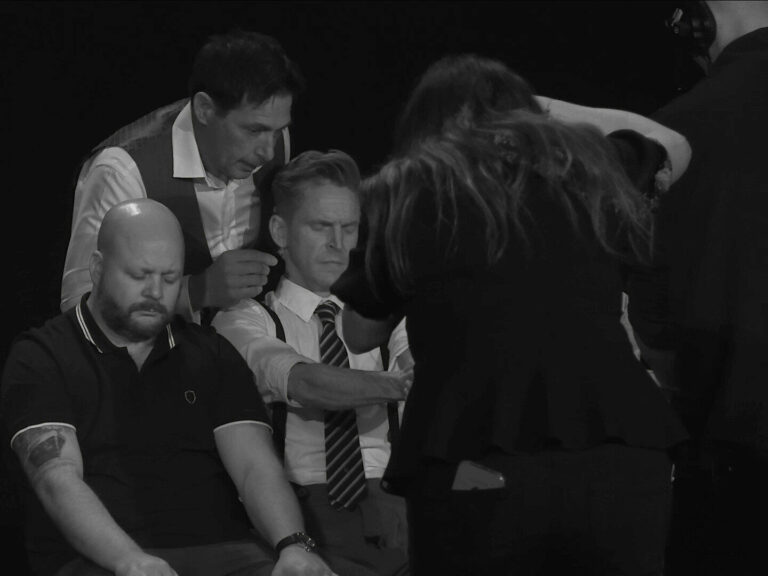
In a typical Poldark performance, the catalepsy demonstrations unfold gradually. The lighting lowers, the pace slows, and attention sharpens. Volunteers are already relaxed and responsive, having been guided into a focused hypnotic state earlier in the show. This preparation is essential; catalepsy is not forced, but invited.
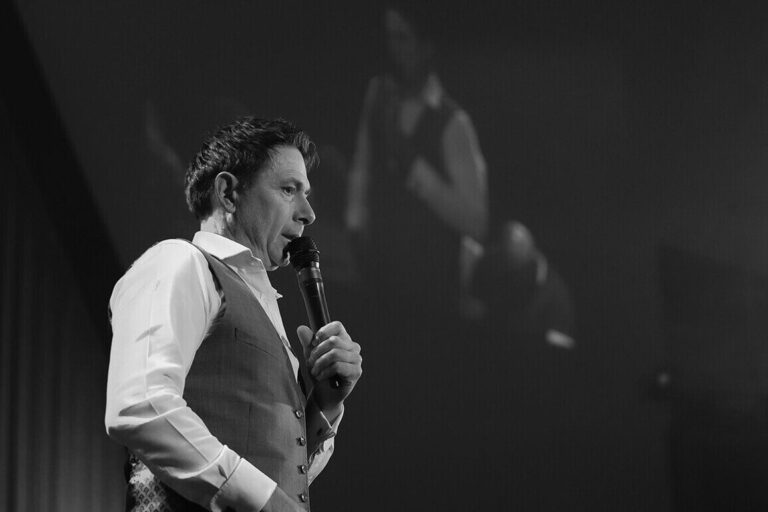
Poldark’s voice is calm and precise. His instructions are simple, almost understated. Yet within moments, the audience begins to notice subtle changes: arms stiffening, posture locking and expressions shifting from concentration to surprise.
There is a collective intake of breath when the full demonstration is revealed.
The Human Body as a Living Sculpture
One of the most memorable aspects of Poldark’s catalepsy demonstrations is their visual impact.
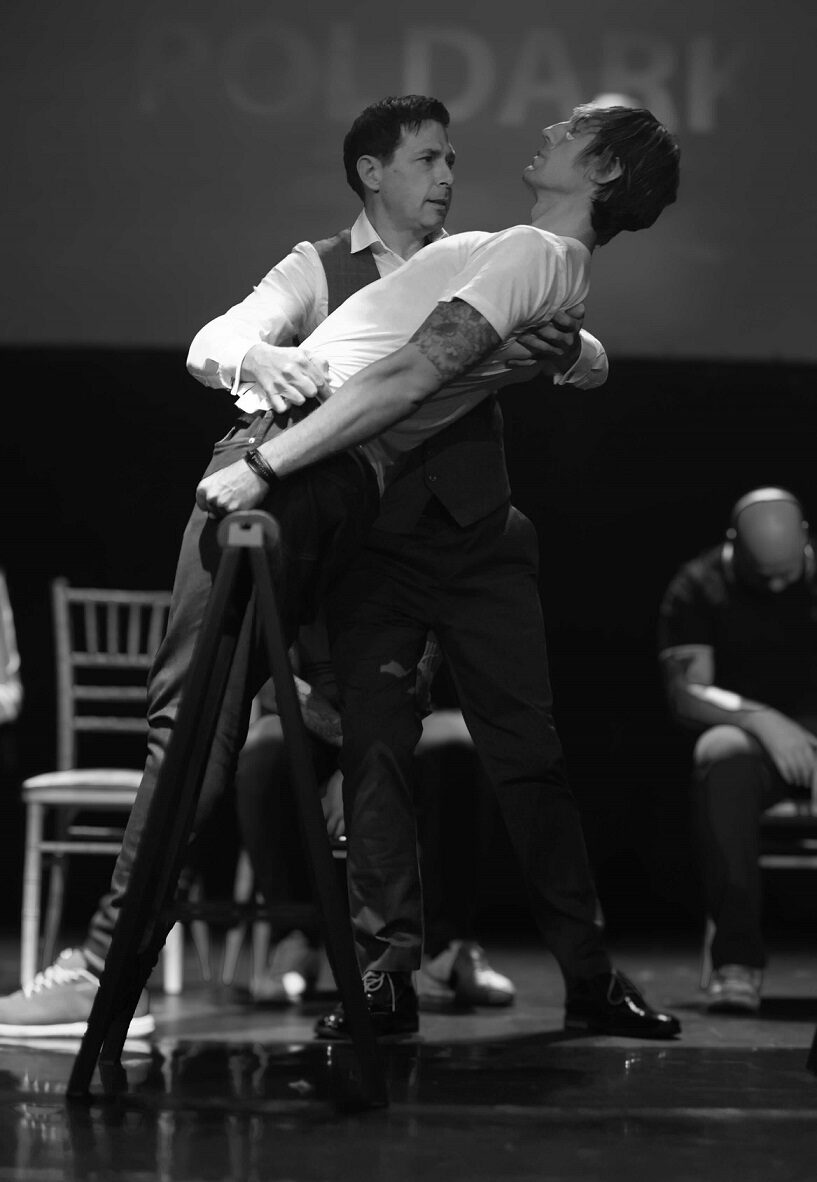
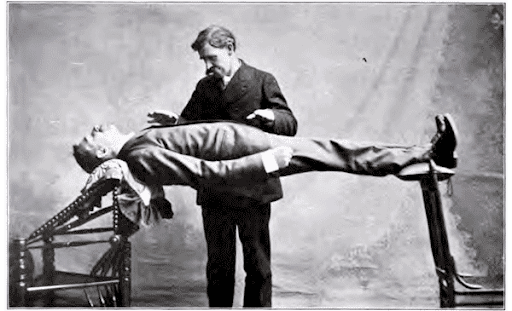
A participant may find their arm rigid as steel, unable to bend despite genuine effort. In more advanced moments, the body itself becomes a solid structure, balanced between two supports, remaining perfectly straight and unmoving.
These moments are not rushed. Poldark allows the audience time to absorb what they are seeing. The stillness becomes dramatic. The silence, intentional.
What makes these demonstrations so compelling is that there is no sense of trickery. No hidden supports, no exaggerated theatrics. Just a human body responding to the power of focused suggestion.
Respect and Safety at the Core
One of the defining features of Poldark’s work is the care he takes with participants. Catalepsy demonstrations can easily drift into sensationalism if handled poorly. Poldark avoids this entirely.
Volunteers are continuously monitored. The demonstrations are brief, controlled and always reversed gently. When the suggestion is released, rigidity melts away instantly, often replaced with disbelief from the participant themselves.
This respect reassures the audience. Rather than feeling uneasy, they are invited to marvel at what the mind can achieve under the right conditions.
Beyond Spectacle: A Lesson in Mind–Body Connection
While catalepsy is visually dramatic, its deeper impact lies in what it represents.
Poldark often frames these moments as a reminder of how much of our physical experience is governed by mental expectation. Strength, limitation, tension and fatigue are not purely physical, they are filtered through belief and focus.
For many audience members, this realisation lingers long after the show.
The catalepsy demonstrations become a metaphor: if the mind can hold the body rigid and strong through suggestion alone, what other boundaries might be more flexible than we assume?
Audience Reactions: Awe, Curiosity and Quiet Reflection
Reactions to Poldark’s catalepsy demonstrations are varied but consistently intense. Some respond with open amazement, others with scepticism and many with thoughtful silence.
Conversations after the show often circle back to these moments, replaying them in memory, searching for explanations.
That ongoing reflection is part of Poldark’s intent. His work does not aim to provide definitive answers, but to provoke curiosity; about hypnosis, about consciousness and about the untapped potential of the human mind.
A Signature Element of Poldark’s Craft
In the broader landscape of stage hypnosis, catalepsy can sometimes feel like a gimmick. In Poldark’s hands, it becomes a signature; an elegant, controlled demonstration that encapsulates his approach to hypnosis as both performance and exploration.
By stripping away exaggeration and focusing on clarity, safety and atmosphere, Poldark transforms catalepsy into something genuinely meaningful. It is not just a moment of astonishment, but a quiet challenge to how we understand ourselves.
Final Thoughts
Poldark’s catalepsy demonstrations stand as some of the most powerful moments in contemporary hypnotic performance. They are striking without being sensational, mysterious without being deceptive and entertaining without sacrificing integrity.
Above all, they remind us of a simple yet profound truth: the mind and body are not separate entities, but partners in a complex and often surprising dialogue.
Watching that dialogue unfold live, under Poldark’s guidance, is an experience that stays with you, long after the muscles relax and the stage lights fade.
Explore Hypnosis
Experience Hypnotic Bliss
Discover the magic of hypnosis. Our performances not only entertain but also delve into the wonders of the mind. Join us for an experience you won’t forget.