
Music: the Invisible Force Guiding the Entire Experience
There is a moment, just before my stage hypnosis performance truly begins, when something quite subtle shifts in the room.
The lights dim. Conversations soften. The atmosphere changes. And then, the music begins.
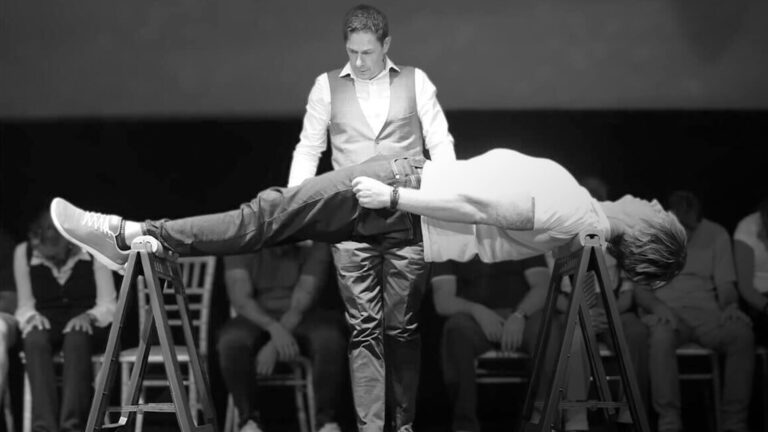
When people think about stage hypnosis, they often imagine volunteers frozen in place, laughing uncontrollably or believing they’re someone else entirely. What they don’t always notice, at least consciously, is the invisible force guiding the entire experience: music.
Most people believe they are simply hearing a soundtrack. However, what they are actually experiencing is the start of something they can’t quite explain yet. Because in the world of my stage hypnosis and my Mind Mysteries performances, music is not there for decoration, it is the subtle force that carries the entire experience.
As a professional performer, I’ve spent years refining not just my hypnotic techniques, but the atmosphere that allows those techniques to flourish. Music isn’t just background noise in the show, it’s a powerful psychological tool that shapes emotions, enhances suggestions and transforms a simple performance into a truly unforgettable one.
Music Sets the Emotional Landscape
Before a single word of hypnosis is spoken, my audience is already being influenced. Music creates an emotional baseline. Whether it’s anticipation, excitement, curiosity or even slight tension, music prepares the mind for what’s to come.
A carefully chosen piece of music does something powerful, it tells the audience, without words:
“Something unusual is about to happen.”
I select music that aligns with the tone of the show; whether it’s high-energy entertainment or a deeper, more mysterious Mind Mysteries experience. The audience may not consciously analyse it, but emotionally, they’re already being guided.
It Helps Induction and Deepening
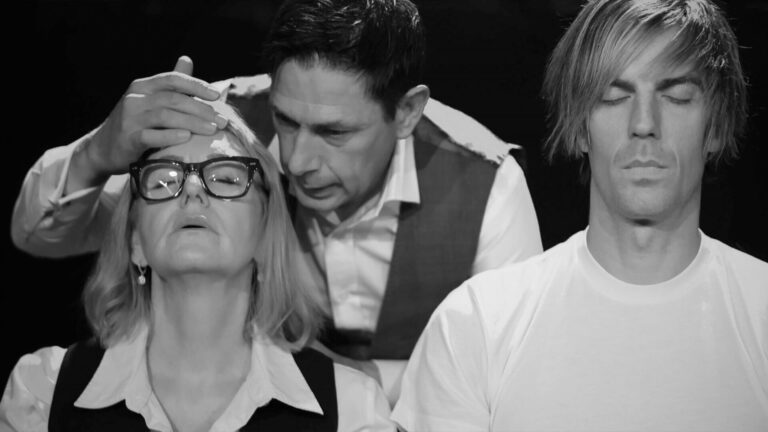
Hypnosis is often misunderstood as something done to someone, when in reality it is something the mind allows. Music helps to create the conditions for that to happen. A carefully chosen piece of music played at the correct rhythm begins to mirror the volunteers breathing, while softer tones quiet their internal chatter. This setup encourages their attention to naturally turn inwards.
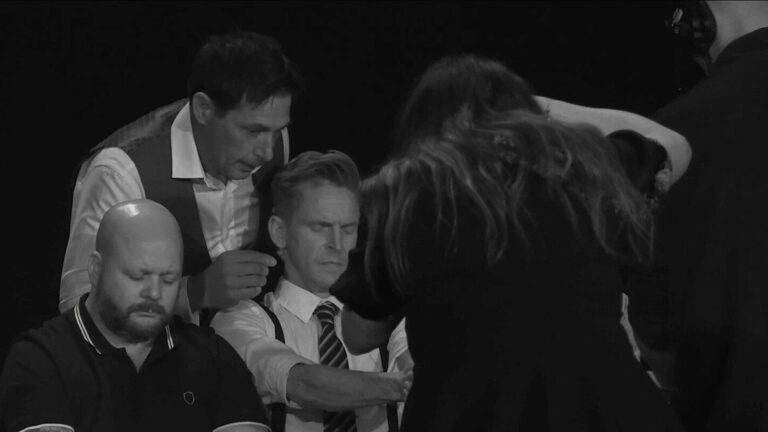
During my induction phase, slower, rhythmic music allows my volunteers to relax physically and mentally and can also help reduce distractions from the audience. Without effort and without instruction, the mind of the volunteer begins to shift. This is where sound becomes suggestion and suggestion becomes experience.
Hypnosis is fundamentally about focus and relaxation and music plays a critical role in both. As the trance deepens, music becomes a subtle anchor. The brain begins to associate the sound with a state of relaxation and responsiveness. This makes my suggestions more effective and the transition into hypnosis smoother.
Silence, on the other hand, can feel uncomfortable or distracting. Music fills that space in a way that helps with the hypnotic process without overpowering it.
Pacing a Stage Hypnosis Performance
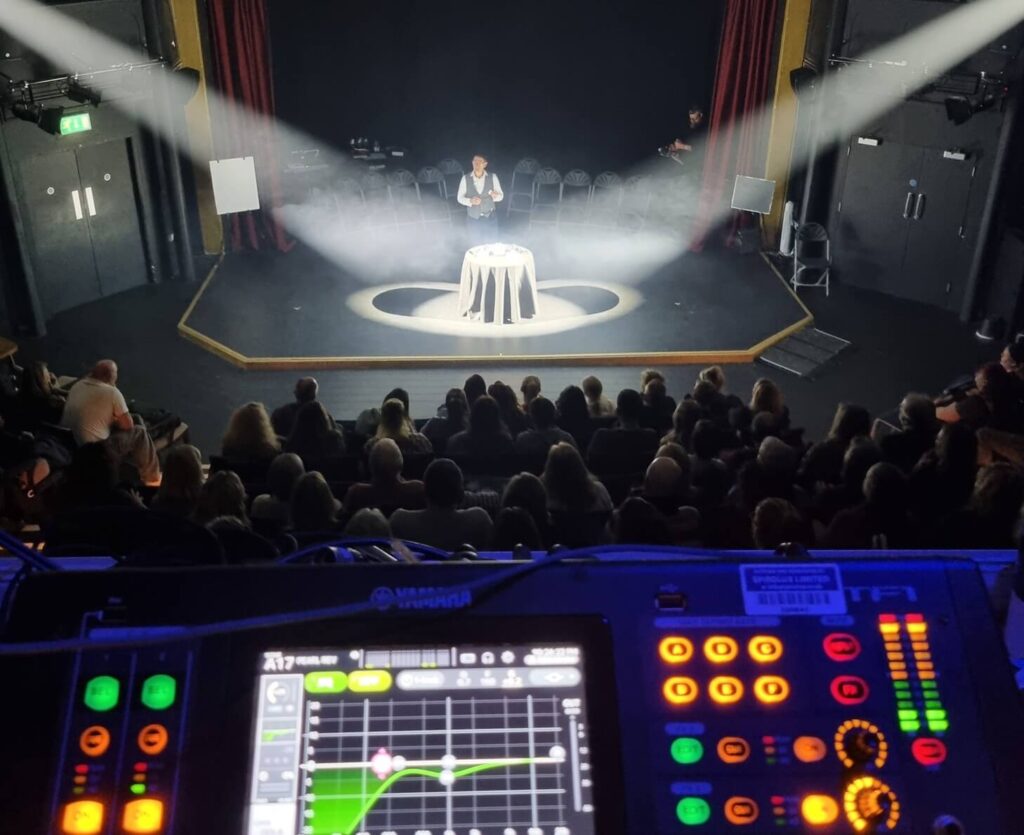
To the audience, a hypnosis show can feel spontaneous and even unpredictable. Beneath the surface, however, everything follows a carefully shaped plan and music plays a central role in that plan. It allows transitions to flow naturally and supports the pacing of each moment from beginning to end. As the tone changes, so too does the energy in the room. Most people never consciously notice this influence, yet they respond to it all the same.
My stage hypnosis performance, like any great live production, needs structure, and music helps to provide that framework. It helps to maintain energy throughout the show, allowing for dramatic pauses and impactful moments. The right track at the right moment can elevate a routine from amusing to unforgettable.
As a performer, I use music almost like a co-presenter, working in harmony with it to guide the audience through the performance.
Amplifying Suggestion and Imagination
Hypnosis relies heavily on imagination and music gives that imagination depth and texture. When a volunteer is guided into a routine, the music surrounding that moment helps shape how real it feels. A light and playful tone can make a suggestion feel effortless and fun, while a more immersive sound can make it feel vivid and absorbing. In this way, music adds emotional meaning to every suggestion. Words introduce the idea, but music helps bring it fully to life.
If you think about film scores, music is how they make scenes feel more intense, romantic or frightening. The same principle applies in hypnosis. When my volunteers are given a suggestion, music reinforces it emotionally. The mind responds not just to words, but to the emotional cues surrounding the words. Music strengthens those cues, making the experience more vivid and believable.
Engaging the Audience (Not Just the Volunteers)
A great show isn’t just about what happens on stage, it’s about how the audience feels throughout the performance. It is about everyone in the room sharing the same experience.
Music ensures there’s never a dull moment. It plays a quiet but powerful role in creating that connection. It keeps the audience engaged and enhances the timing of each moment, allowing reactions to build naturally.
As my show progresses from scene to scene, people begin to respond together, sharing the anticipation and surprise. For that time, the room feels unified, as though everyone is part of the same unfolding experience.
Creating a Professional, Polished Experience
In a Mind Mysteries performance, music introduces an additional layer of curiosity. It is not overwhelming or dramatic, but carefully balanced to create a sense that there is more happening beneath the surface. It encourages people to lean in, to pay closer attention and to wonder just a little more. That feeling of curiosity is where the deeper experience begins.
A carefully curated list of music adds production value and creates a consistent and memorable experience. In my own shows, music is chosen with the same level of care as the routines themselves. It reflects the style, the tone and the personality of the production, especially for the deeper intrigue of Mind Mysteries.
Memory and Lasting Impact
When the stage hypnosis performance ends, people often recall the laughter, the unexpected moments and the reactions on stage and yet what also stays with them just as strongly is how the experience felt. They may forget specific details of a show, but they rarely forget how it made them feel.
I’ve had audience members who I’ve seen time after time, still comment to me about how they forever think about the first performance and how it has stayed with them, even years after.
Music plays a huge role in that emotional memory. Certain tracks become associated with specific moments of the show. Long after the show ends, those feelings linger.
That’s the power of combining hypnosis with music: it creates an experience that stays with people.
Final Thoughts
Stage hypnosis is often seen as a blend of psychology and entertainment and it is. However, what truly brings a stage hypnosis performance to life is the atmosphere surrounding it… and music sits right at the centre of that experience. It guides emotion, supports the hypnotic process and draws people in without them even realising how it is happening. It shapes the flow of the show and deepens every moment within it.
Music is not just something the audience hears. It is something they feel, something they respond to and ultimately, something they remember. For me, as a Mind Mysteries performer, music isn’t an afterthought, it’s an essential part of the production.
So the next time the music begins, pay attention. You may already be more involved than you think.
Explore Hypnosis
Experience Hypnotic Bliss
Discover the magic of hypnosis.
Our performances not only entertain but also delve into the wonders of the mind.
Join us for an experience you won’t forget.